Understanding the key milestones of the retirement years helps individuals, families, and communities support this stage with the respect, engagement, and practical care it deserves, and helps those living it approach it with intention, curiosity, and grace.
Late Adulthood – Retirement Ages 61–75 Years
Overview of the Retirement Years Ages 61-75 Years Old
The retirement years open a chapter that many adults find surprisingly rich. Free from the relentless demands of career and active parenting, this stage creates space for reflection, grandparenting, and the pursuit of long-deferred passions — travel, creative work, learning, service, and the deepening of relationships that the busier decades left little room for. Cognitive wisdom continues to deepen even as some aspects of physical functioning begin to change more noticeably. And social connection, the quality, frequency, and depth of one’s relationships with others, emerges as one of the most powerful determinants of both health and happiness in these years.
Key Milestones
🔹 Retirement
Retirement is one of the most significant life transitions of the adult years. This is a shift that reorganizes daily structure, social identity, sense of purpose, and financial reality all at once. For adults whose professional identity has been central to how they understand themselves, the loss of a work role can be genuinely disorienting, even when the retirement itself was eagerly anticipated. The first months frequently involve a honeymoon period of freedom and novelty, followed by a more complex reckoning with questions of meaning and structure: what do I do with my time, and who am I without my job?
🔹 Grandparenting

Grandparenting is one of the most widely reported sources of joy and meaning in late adulthood — and developmentally, it makes sense. The grandparent role allows adults to engage in the generativity and nurturing of earlier stages without the primary responsibility and relentless daily demands of active parenting. Grandparents can be fully present with grandchildren in a way that the pressures of young parenthood rarely allowed them to be with their own children. The relationship is often characterized by a particular quality of delight, patience, and unconditional warmth that grandchildren feel and remember.
🔹 Crystallized Intelligence

Not all cognitive capacities decline with age — and some continue to grow well into late adulthood. Psychologist Raymond Cattell distinguished between fluid intelligence — the capacity for rapid reasoning, processing speed, and working with novel information — and crystallized intelligence — the accumulated knowledge, expertise, vocabulary, and judgment built through decades of experience. While fluid intelligence peaks in early adulthood and declines gradually over time, crystallized intelligence typically continues to grow into the sixties and seventies, and often beyond.
This means that adults in the retirement years bring something to intellectual and professional life that younger people simply cannot replicate. This includes hard-won wisdom, pattern recognition honed across decades, emotional regulation built through long experience, and the kind of nuanced judgment that only comes from having navigated genuine complexity over time. Societies and organizations that treat older adults primarily as a burden or a liability — rather than as a reservoir of crystallized intelligence — are making a significant and costly mistake. The wisdom of age is not a consolation prize for declining speed; it is a distinct and irreplaceable cognitive asset.
🔹 Life Review
Life review is the process of looking back across one’s life, reflecting on its meaning, reconciling its contradictions, and arriving at a sense of coherence and acceptance. This is one of the central psychological tasks of late adulthood. Psychiatrist Robert Butler argued that reminiscence in older adults is not mere nostalgia but a purposeful and adaptive process of meaning-making. This is the psyche’s way of integrating a life into a story that can be held with equanimity. The life review surfaces regrets, unresolved conflicts, and unlived possibilities alongside pride, gratitude, and the recognition of what was genuinely good.
The life review can be supported and enriched in many ways: oral history projects, memoir writing, therapeutic conversations, spiritual direction, and simply the telling of stories to grandchildren, younger colleagues, and trusted friends. Adults who engage in thoughtful life review do not idealize or pathologize their past. They look at it honestly and with compassion and tend to arrive at greater psychological integration and peace. Those who avoid the review, or who are overwhelmed by regret rather than moved through it, are more vulnerable to the despair that Erikson identified as the shadow side of this stage.
🔹 Health Management

Health management becomes a central and conscious preoccupation of the retirement years in a way it rarely was before. The body’s systems — cardiovascular, musculoskeletal, hormonal, immune — change in ways that require more deliberate attention and care. Chronic conditions that may have begun quietly in middle adulthood — hypertension, arthritis, diabetes, hearing and vision changes — become more present and more demanding. Sleep architecture shifts, recovery takes longer, and the consequences of neglecting exercise, nutrition, and stress management become more immediately apparent.
And yet the research on aging is unambiguous: lifestyle factors remain powerfully influential on health outcomes well into the seventies and beyond. Regular physical movement is among the most effective interventions available for maintaining cognitive function, emotional wellbeing, balance, strength, and independence. Social connection, purpose, adequate sleep, and a nutritious diet round out what researchers increasingly call the “Lifestyle Medicine” approach to healthy aging. The adults who manage this stage most successfully are not those who resist aging, but those who engage with it actively, intelligently, and with genuine care for the body and mind they have been given.
Yoga & Movement for the Retirement Years
The retirement years are an ideal time to deepen or establish a yoga and mindfulness practice. With more time, less performance pressure, and a body that benefits profoundly from gentle, consistent movement, this stage offers conditions that earlier decades rarely did. The following resources are especially well-suited to adults navigating the physical and reflective dimensions of late adulthood:
- Living the 8 Limbs of Yoga by Beth Daugherty — A comprehensive guide to the full philosophy of yoga organized around the eight limbs — ideal for adults ready to explore the contemplative, ethical, and meditative dimensions of practice alongside the physical. Available at lifespanyoga.com.
- The 8 Limbs of Yoga Journal by Beth Daugherty — A reflective companion journal offering prompts and practices for integrating the eight limbs into daily life. Particularly well-suited to the life review and meaning-making work of the retirement years. Available at lifespanyoga.com.
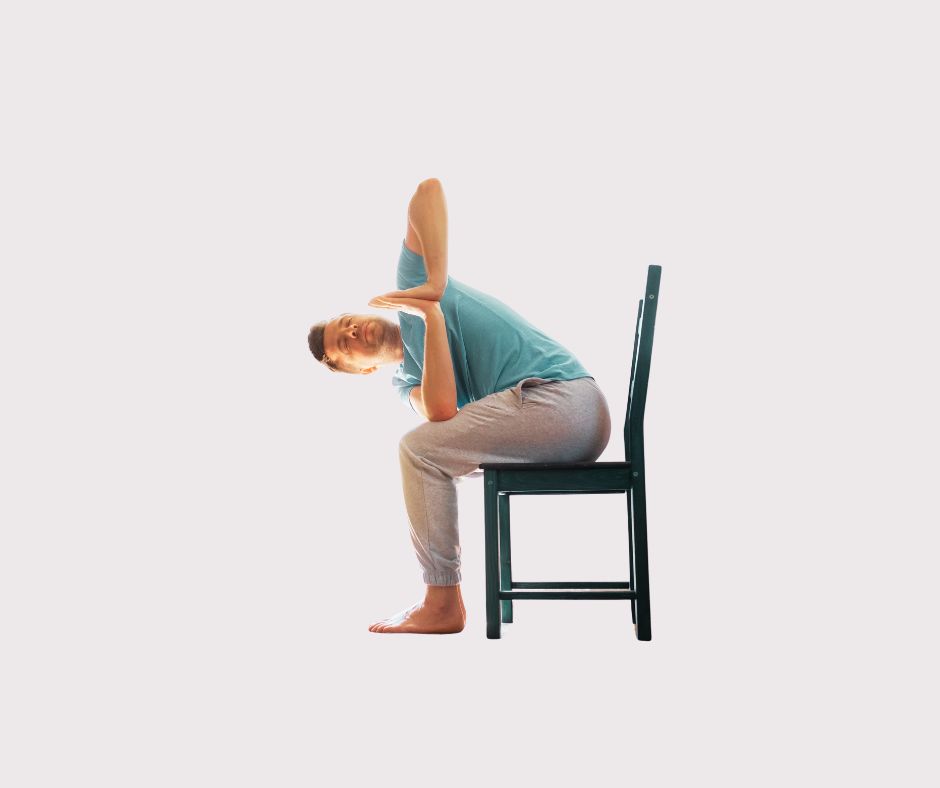
- Chair Yoga by Beth Daugherty — A gentle, fully accessible approach to yoga that makes the benefits of movement, breath, and mindfulness available to adults at every level of mobility and flexibility. An excellent starting point for those new to practice or returning after a long absence. Available at lifespanyoga.com.

- Chair Yoga by Lakshmi Voelker — A pioneering resource in accessible yoga for older adults and those with limited mobility. Lakshmi Voelker is widely credited with popularizing chair yoga as a serious and beneficial practice, and her approach is warm, practical, and deeply respectful of the aging body.
- Get Fit While You Sit (YouTube) — Free seated exercise and chair yoga content on YouTube, offering gentle movement practices accessible to adults of all fitness levels — ideal for those beginning to build or rebuild a movement routine in the retirement years.
- Lifespan Yoga YouTube Channel — Free yoga and mindfulness content from Lifespan Yoga, offering practices grounded in the developmental realities of aging and accessible to adults across the full range of the later lifespan. A rich, ongoing resource for the retirement community. Find it at YouTube by searching Lifespan Yoga.
- Free eBooks by Beth Daugherty — A growing collection of free resources available in the Lifespan Yoga shop at lifespanyoga.com, covering yoga philosophy, practice, and lifespan development. An accessible and generous entry point into Beth’s work.
🧘 Tip: In the retirement years, yoga becomes less about what the body can do and more about how it feels to inhabit it with care, attention, and gratitude. Any pose, in any chair, with any breath — counts. The practice is showing up.
A Note on Milestones
Developmental milestones are guidelines, not rigid deadlines. The retirement years encompass an enormous range of individual experience — in health, family structure, financial circumstance, and personal meaning. Not every adult in this stage will retire, grandparent, or experience the same physical changes on the same timeline. If you have concerns about your physical health, cognitive wellbeing, or the emotional weight of this stage of life, a trusted physician, therapist, or counselor remains the best first resource.