The final chapter of the lifespan after the age of 75 is defined by legacy, acceptance, and the quiet distillation of a lifetime of experience. These are the years in which the accumulated wisdom of eight or nine decades — the losses survived, the loves sustained, the lessons hard-won — can find its fullest and most generous expression. Can one look back on the life that was lived with genuine peace?
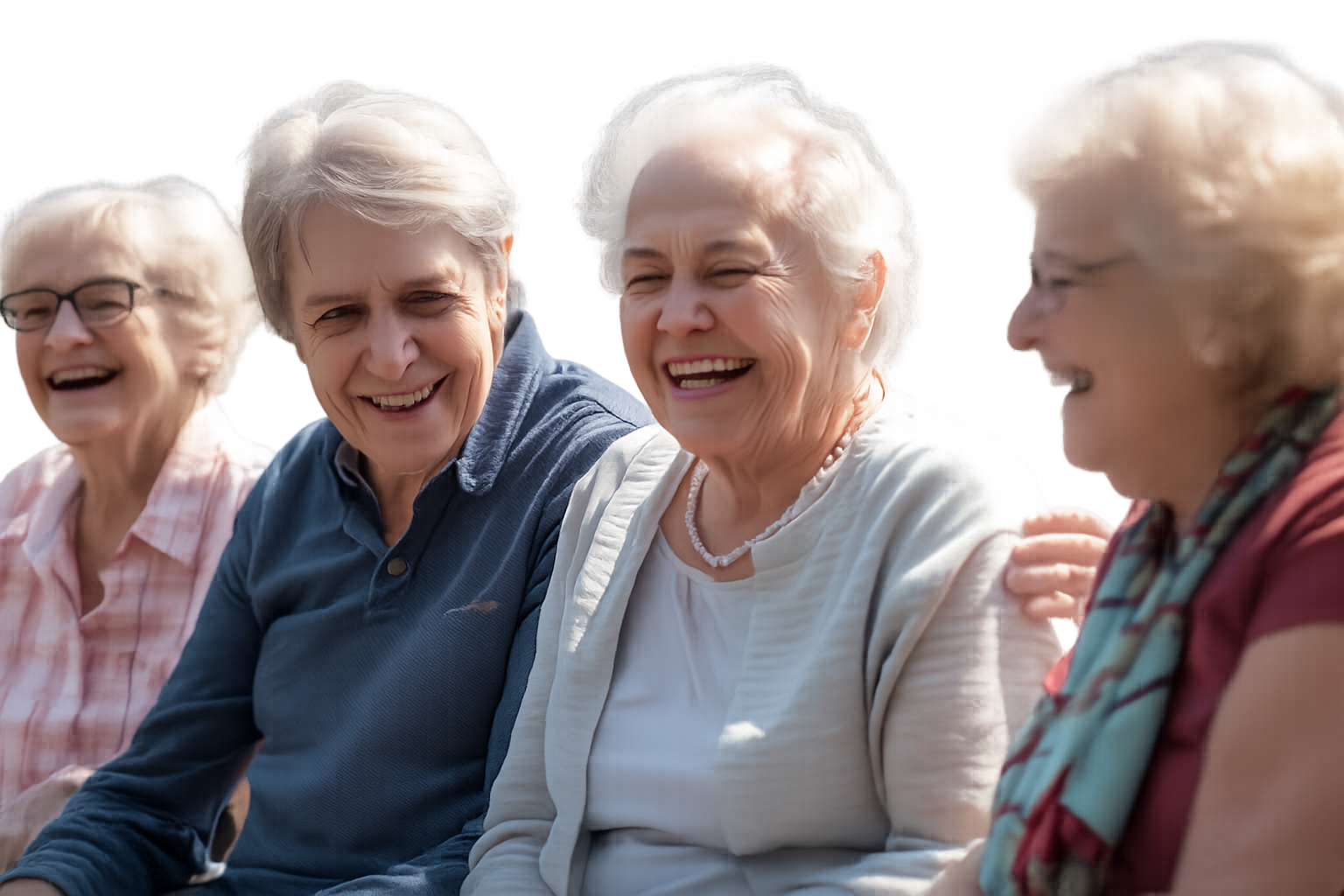
Overview of Older Adulthood Ages 76+
Many adults in this stage find profound meaning in community, spirituality, and mentorship — in the transmission of what they know and who they are to those who come after. They are often more emotionally regulated, more forgiving of themselves and others, and more capable of genuine presence than at any earlier stage. Psychologist Laura Carstensen’s socioemotional selectivity theory proposes that as the time horizon shortens, older adults naturally prioritize emotionally meaningful relationships and experiences over novelty and achievement. This is a reordering that often produces a quality of daily life that younger adults find surprising and instructive.
This stage is also one that asks much of those who love and care for older adults. Understanding its developmental contours, the milestones, the challenges, and the genuine possibilities helps families, caregivers, and communities offer support that is both practically effective and deeply respectful of the person still very much present within the aging body.
Key Milestones
🔹 Legacy & Meaning
The question of legacy — what one leaves behind, what one has meant, what will endure — becomes increasingly central in the later decades of life. Legacy is not only a matter of material inheritance, though that is part of it. It is the stories told and retold, the values modeled across generations, the skills and knowledge passed down, the community shaped by one’s presence, and the love that continues to organize the lives of those who remain after one is gone. For many older adults, the work of legacy-building is among the most purposeful and satisfying activities of this stage.
🔹 Ego Integrity
Ego integrity, in Erikson’s framework, is the capacity to look back on one’s life with a fundamental sense of acceptance and wholeness. This includes the ability to hold regret without being destroyed by it. It is the recognition that this life, with this particular set of choices and circumstances and relationships, was one’s own and that it had value.
🔹 Adaptive Coping
Adaptive coping — the ability to adjust, accommodate, and find workable ways forward in the face of loss, limitation, and change — is one of the defining competencies of successful aging.
💡 Did You Know: Psychologist Laura Carstensen’s socioemotional selectivity theory finds that as adults perceive their time horizon as limited, they shift naturally toward emotionally meaningful goals and relationships — a change that often produces what researchers call the “positivity effect:” older adults attend to and remember positive experiences more than negative ones, contributing to the emotional richness that characterizes many people’s final decades.
🔹 Spiritual Reflection

Spiritual reflection deepens for many adults in the final decades of life, regardless of whether they hold formal religious beliefs. The proximity of death — one’s own and that of the people most beloved — tends to concentrate attention on the largest questions: What is the nature of consciousness? What, if anything, persists after death?
🔹 Centenarian Potential
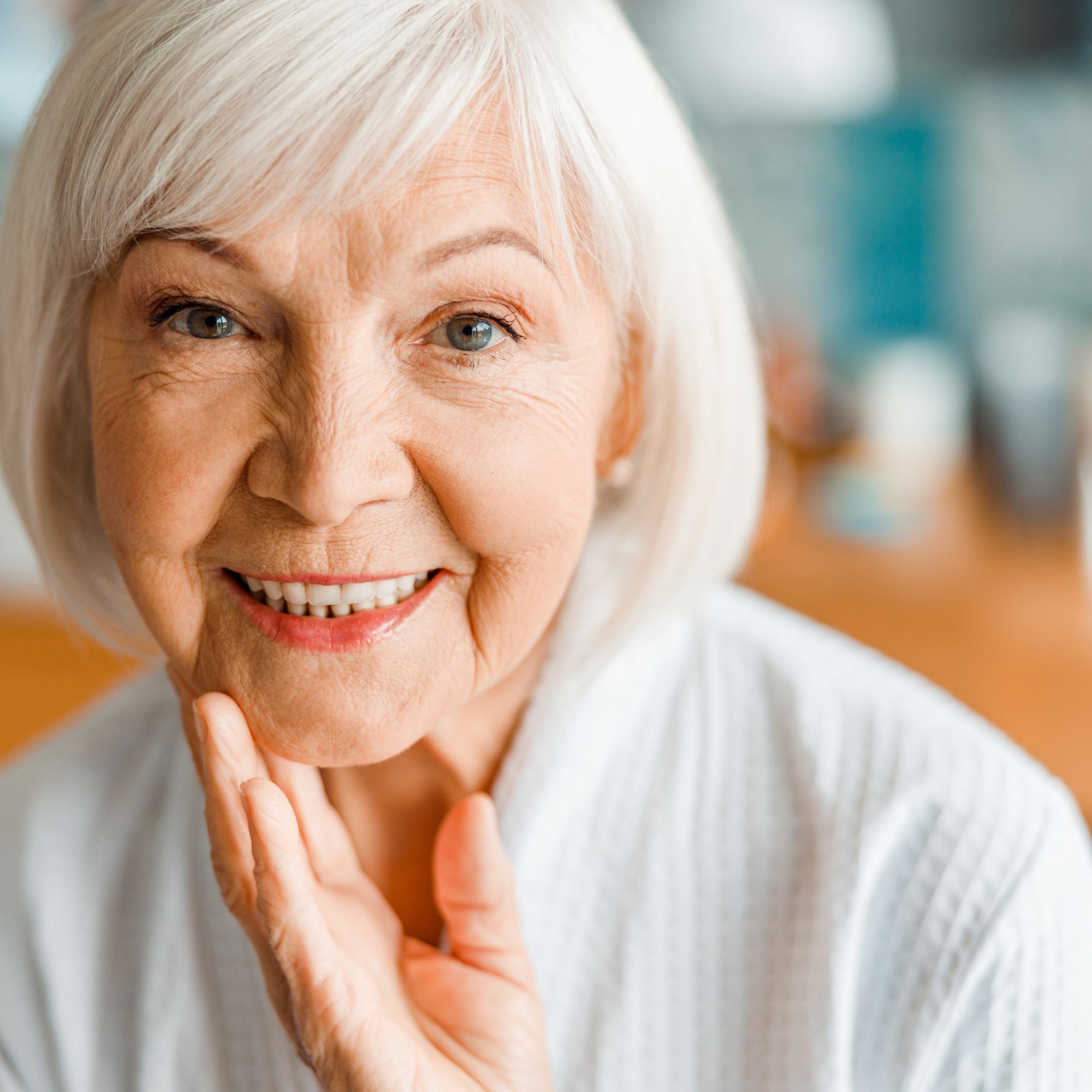
The number of people living to 100 and beyond is growing rapidly. In 1950, centenarians were rare; today there are more than half a million worldwide, and projections suggest this number will continue to rise dramatically.
Yoga Resources & Support for Older Adulthood
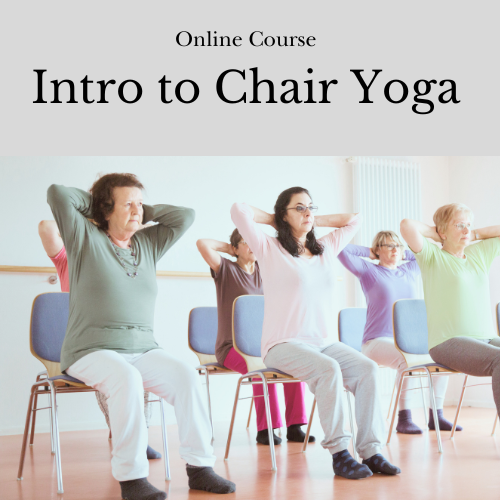
Yes, you can do yoga! The later decades of life call for resources that honor both the possibilities and the genuine challenges of this stage — movement practices adapted to the aging body, support for navigating serious illness and caregiving, and pathways into the spiritual and reflective work that this chapter invites. The following resources speak to all these dimensions:
- Chair Yoga by Beth Daugherty — Gentle, fully accessible yoga practice designed to meet the body where it is. Chair Yoga makes the benefits of breath, movement, and mindfulness available at every level of physical capacity, making it an ideal practice for older adults at any point in this stage. Available at lifespanyoga.com.
- Living the 8 Limbs of Yoga by Beth Daugherty — A guide to the full philosophy of yoga organized around the eight limbs — particularly the ethical, meditative, and contemplative dimensions that speak most directly to the legacy, integrity, and spiritual reflection work of older adulthood. Available at lifespanyoga.com.
- The 8 Limbs of Yoga Journal by Beth Daugherty — A reflective companion for exploring yoga philosophy in daily life. The journaling prompts are especially well-suited to life review, meaning-making, and the cultivation of inner peace in the final chapter. Available at lifespanyoga.com.
- Free eBooks by Beth Daugherty — A growing collection of accessible resources in the Lifespan Yoga shop.
Navigating Health Challenges
Older adulthood frequently brings health challenges that require courage, adaptability, and practical support. Yoga, breath work, and mindfulness can be meaningful companions through each of the following transitions — not as cures, but as practices that support dignity, presence, and peace.
Serious illness and cancer. A diagnosis of cancer or another serious illness at this stage arrives in a life already rich with meaning and disrupts it profoundly. Gentle yoga, guided meditation, and breathwork have been shown in clinical research to meaningfully reduce anxiety, pain perception, and fatigue in cancer patients and those managing chronic illness. Many oncology centers and palliative care programs now offer adapted yoga and mindfulness as part of integrative care. The body’s need for gentle, intentional movement does not disappear with illness; it often deepens.
Caregiving for a partner. Caring for an ill or declining spouse or partner is one of the most demanding and emotionally complex roles an older adult can occupy. The caregiver’s own health and wellbeing are frequently neglected in the total absorption of care. Short, regular yoga and mindfulness practices — even five or ten minutes — can provide a necessary point of restoration and self-contact for caregivers who are at risk of losing themselves entirely in the demands of the role. Caregiver support groups, respite care, and professional counseling are essential complements to any self-care practice.
Assisted living and nursing home transitions. The move from an independent home to an assisted living facility or nursing home is a major life transition that involves real grief for independence, familiar surroundings, and a version of the self that lived differently. Chair yoga, gentle stretching, and group meditation classes are increasingly offered within residential care settings and provide meaningful physical, cognitive, and social benefit. Family members who participate in these activities alongside their loved ones often find the visits more connected and the relationship more alive.
Memory care. For individuals living with dementia or Alzheimer’s disease, and for the families who love them, the journey through cognitive decline is one of the most emotionally demanding experiences of the lifespan. Gentle movement, music, breathwork, and simple mindfulness practices can reach people at stages of cognitive decline where language-based approaches no longer can. The body remembers what the mind forgets. Yoga and movement offered with patience, warmth, and no performance expectation can provide comfort, reduce agitation, and sustain a quality of presence and connection that is genuinely possible at every stage of the disease.
Hospice and end of life. Hospice care shifts the focus from cure to comfort, from treatment to presence — and in doing so, creates conditions in which the deepest dimensions of a life can surface. Breath awareness, gentle touch, guided relaxation, and the simple act of sitting quietly together are all forms of practice available at the end of life. Many hospice programs now include chaplains, counselors, and integrative therapists trained in these approaches. For family members accompanying a loved one through dying, their own breath practice — however simple — can be a lifeline. We do not have to do this perfectly. We only must show up, breathe, and be present.
🧘 Tip: At every stage of health and capacity in older adulthood — from active and independent to hospice — the breath is always available. Three slow, conscious breaths is a complete practice. It is enough, and it is always possible.
A Note on Milestones
Developmental milestones are guidelines, not rigid deadlines. Older adulthood encompasses the most individually varied stretch of the human lifespan. The range of physical capacity, cognitive function, emotional wellbeing, and life circumstance between a vigorous seventy-six-year-old and a ninety-five-year-old in memory care is enormous. What remains constant is the humanity of every person at every point in this stage and the value of being seen, supported, and accompanied with genuine care. If you or someone you love is navigating the challenges of this stage, please reach out to a physician, social worker, hospice team, or mental health professional. You do not have to navigate it alone.